Factors Determining if You Should Repair or Replace Your Roof
The point where continued repairs start costing more than a replacement, and the factors that tell you which side of it your roof is on.
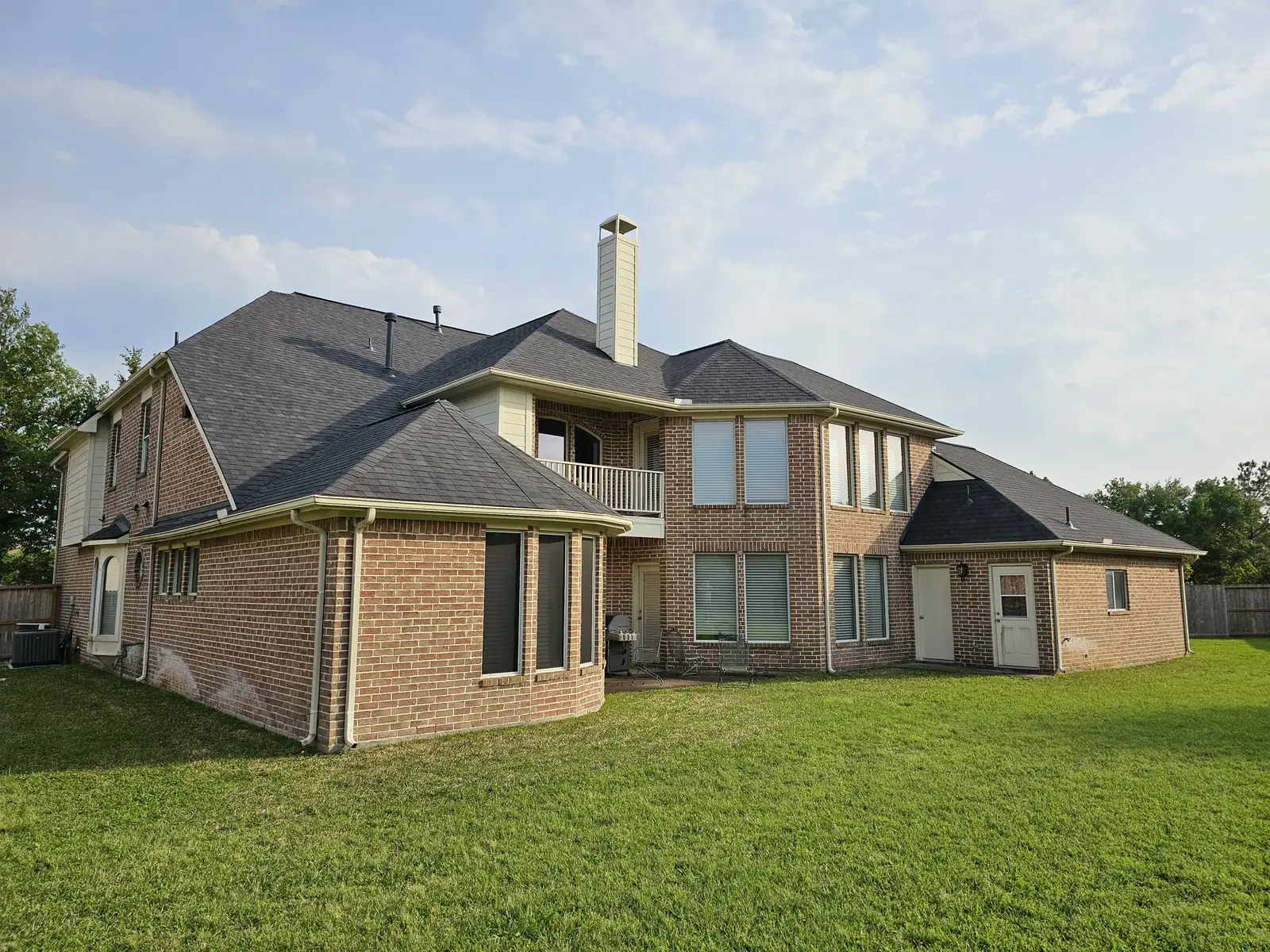
PROVEN - Excellent - Texas
Do you have a leaky roof? Maybe not, but you’ve noticed some shingles are starting to curl. Have you noticed a sag in the shape of your roof? Are the shingles on your roof nearing their expected lifespan?
Maybe you’re thinking it’s time to stop ignoring your roof? Should you just repair parts of it? Do you need a completely new roof? How to know what is best to do?
Here is a brief tutorial about the system that is your roof and some important steps to a successful re-roofing project.
Your roof is a lot more than just the shingles that can be seen while standing in your yard. The shingles may take the brunt of the weather, but they are backed up and supported by several other components. If one of those parts begins to fail it can cause problems with the others. On the other hand, one part might need to be replaced and the other parts have a long life of service left. Let’s consider 3 parts of your roof’s system.
Roof Deck: These are 4×8 foot wood sheets nailed to the house’s trusses. It might be plywood or more likely OSB (oriented strand board). If the sheets have gotten wet, they can begin to sag or rot. The moisture could have come from outside, leaking through the shingles, or from inside humidity building up due to poor ventilation. You can read about inspecting your roof’s ventilation system in our article here. If the roof deck is deteriorating it will lead to failure of the shingles.
Shingles: These are overlapping rows of material, sealed together, blocking the outside weather. They are most likely made from asphalt and fiberglass. If the rows of shingles have become unsealed due to age, damage or a sagging roof deck, they may become unable to stop moisture penetrating.
Underlayment: This can also be called roof-felt, tar-paper, or sub-roofing. Typically, this is a 3-foot wide roll of waterproof material applied on top of the roof deck and under the shingles. This layer serves as a second barrier to outside moisture penetrating the roof. This layer usually isn’t damaged unless the layer above or below it becomes damaged. If the shingles need to be removed and replaced, the underlayment must also be replaced.
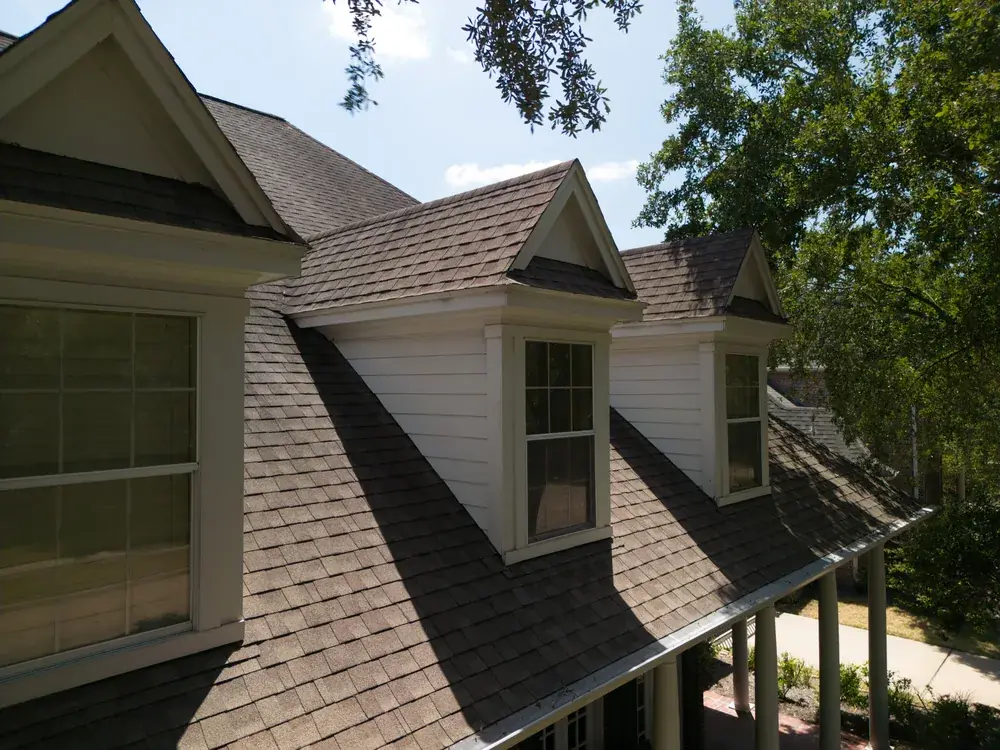
Getting several opinions from professional roofing contractors is likely the best method in determining the answer to this question. There are some important questions you should ask the roofing contractors after they’ve made their inspection, if the information isn’t in their report.
Knowing the cost of different options and comparing those with the estimated lifespan of the roof, a decision to repair or re-place might become clear. Regardless of which option is chosen, here are 3 steps for your project to help avoid problems and smooth the process:
A free R&S roof inspection gives you photos, an estimate of the roof’s remaining life and both prices, so you decide with real numbers.
We recommend following the steps in our previous article about selecting the best roofing contractor. This is the most important step to get right. A local contractor with good reviews that is insured and experienced will contribute more to a successful project than anything else.
Another previous article we’ve written about different roof types would be helpful in this decision. If you are re-roofing you could consider changing to a different type of material, such as metal, composite, or wood. If you have decided to use an asphalt shingle, check out our article reviewing manufacturers and the differences in their asphalt shingle lines. There are many options from which to select regarding styles, prices, colors, lifespans, and warranties.
Especially if you are re-roofing, the project will be messy, hectic, and dangerous. There will be numerous workers, vehicles, and materials around your house and up on the roof. All the old roofing shingles and underlayment will be removed off the roof and new materials brought in and loaded onto the roof. Items in your yard and around the house should be removed to provide access and avoid them being damaged. Young kids and pets need to be kept out of the yard during the work. Older kids and adults need to be warned of materials unexpectedly falling off the roof, vehicles coming and going, and workmen being on the property.
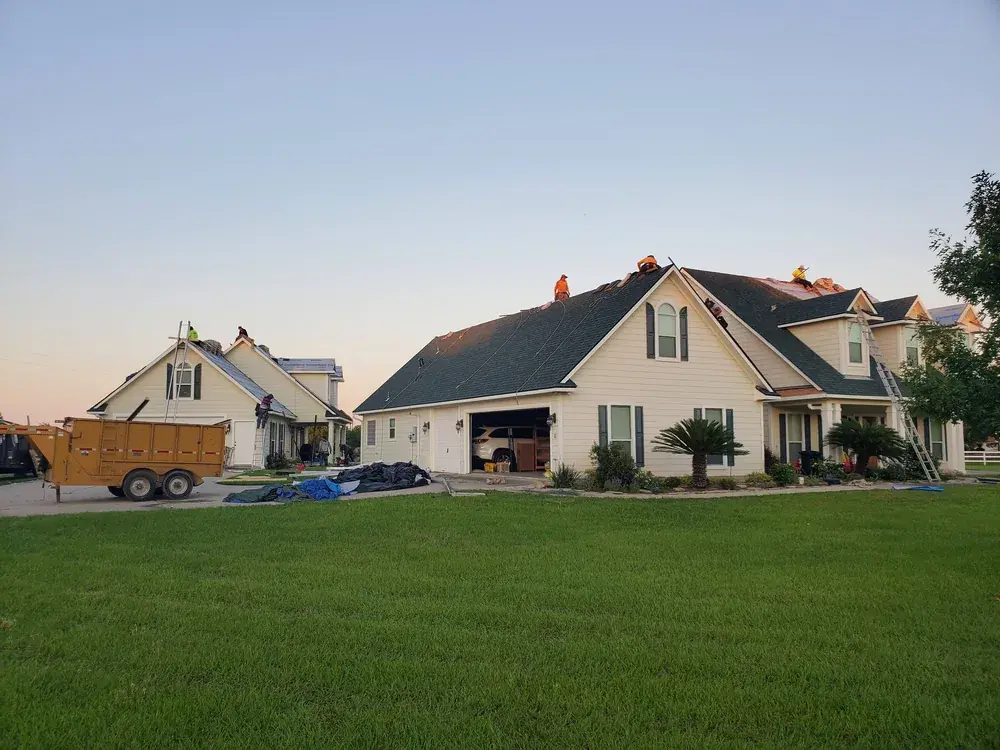
Re-roofing is a big and costly project and shouldn’t be left to just anyone. We hope you now understand more about your home’s system that protects you from the weather that we just call a “roof”. With a bit of understanding, you should be able to make a more informed and wise decision about re-roofing.
R&S Roofing and Construction handles both sides of this decision across Katy, Greater Houston and Dallas-Fort Worth: roof repair when a repair really is the right call, and new roof installation when it is not. Either way it starts with a free roof inspection.
More roofing tips
More homeowner guides from R&S Roofing and Construction.
The point where continued repairs start costing more than a replacement, and the factors that tell you which side of it your roof is on.
How to sort through roofing companies, avoid shoddy work and spot the storm-chasers running a scam.
Asphalt, metal, tile, slate, composite and wood compared: composition, strengths and disadvantages of each.
Free roof inspection
Tell us what you are seeing (curling shingles, a sag, a stain on the ceiling) and we will get up there, photograph it and tell you honestly whether it is a repair or a re-roof.
(832) 743-8434535 E Fernhurst Dr, Suite 101 · Katy, TX 77450